Material Traces: Silica, Soil and Human Imprint
Material Traces is a current creative research project exploring how humans have shaped and been shaped by the materials of their environment. The work was sparked by the discovery of a Bronze Age burial urn on Skokholm Island in 2021, prompting a deeper investigation into the long relationship between people, landscape, and material culture in Pembrokeshire, Wales. The project is supported by an Arts Council of Wales Create Award.
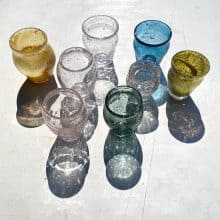
Focusing on silica—present both as glass and as ceramic glaze—the project examines how natural resources have been transformed through human ingenuity for cultural expression, industry, and settlement. Silica offers a material thread connecting prehistoric craft practices to contemporary artistic and industrial processes.
Using a materials-led methodology, I am working in dialogue with archaeologists to explore the earliest detectable human interventions in the Pembrokeshire landscape and their continuing impact. By examining archaeological soils and sediments, the research investigates how traces of past activity persist materially within the ground beneath our feet.
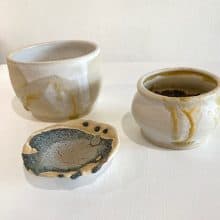
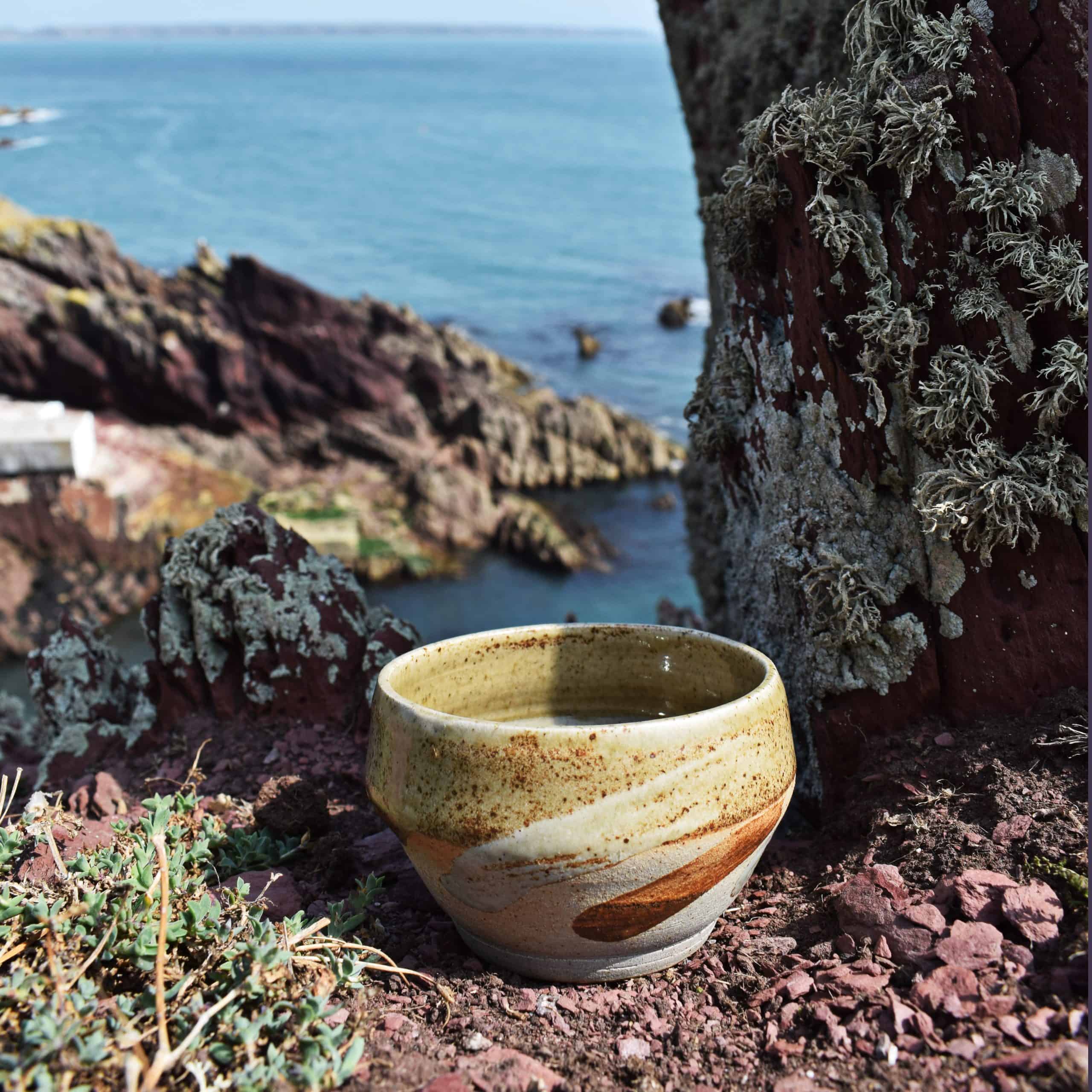
A key element of the project involves working directly with soil collected from archaeological sites. These soils are processed and used experimentally to develop ceramic glazes and other artworks, allowing the material residue of past human activity to become part of contemporary creative practice. This approach foregrounds the agency of place-based materials and invites reflection on the entanglement of cultural history, geology, and craft.
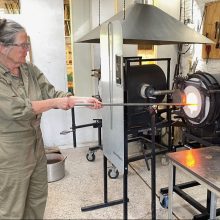
Thanks to Blowfish Studio in Stourbridge who have recently awarded me a residency with Elliot Walker and Bethany Wood to develop this work in blown glass and to Bardsey Island Trust who have awarded me a skill-share residency in September.
I am extremely grateful to the archaeologists who are welcoming me on their sites and sharing their process, expertise and time (and spoil-heaps!) including Rob Dinnis and Jay Mogg at Wogan Cavern, Pembroke Castle, Mike Parker Pearson at Crosswell, and Toby Driver and Louise Barker (RCAHM) who are working with me on Skokholm Island.
Thanks to the following people and institutions for supporting the development of this work: The Arts Council of Wales, The Royal Commission on the Ancient and Historical Monuments in Wales (RCAHMW), Prof. Moira Vincintelli (Emeritus Professor of Art History and Consultant Curator of Ceramics at Aberystwyth University), Linda Unsworth, Ceramicist, and Prof. Mark Macklin, (Emeritus Professor of River Systems and Global Change, University of Lincoln & Senior Research Fellow, University of Exeter), KT Yun at Glass Hub UK, Ruth Sargeant, the Waterfront Gallery, Milford Haven.